
Built for Demanding Filtration
Quality filtration products for mining, tailings and industrial process plants, engineered for performance and supplied worldwide.
Filter Press Solutions
Fully automatic filter presses for tailings, ore concentrates and other industries, designed and supplied by DRT.
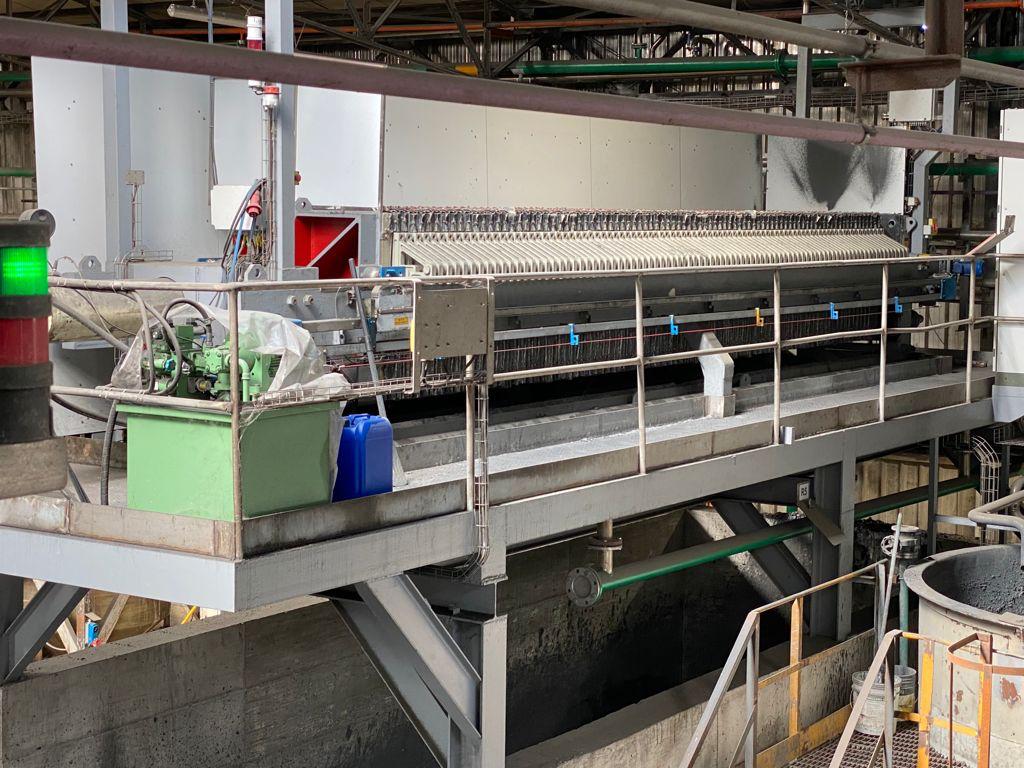
Tailings
Tailings are the waste left over after minerals are extracted from ore.
Today, ore grades are getting lower. This means mines must dig up large amounts of rock to recover small quantities of valuable minerals such as copper, gold, iron, zinc, silver, or lead. In some gold mines, for example, only 5–10 grams of gold are found in every 1,000,000 grams of rock. That means more than 99% of the material becomes waste (tailings).
To separate the valuable minerals, mines use processes like flotation, leaching (for copper, gold, and zinc), or magnetic separation (for iron ore). These processes need a lot of water and produce a slurry of very fine particles mixed with water.
Metallurgical plants, such as alumina refineries that use the Bayer process, also create large amounts of tailings. In the case of alumina, the waste is called red mud and is especially harmful because it contains caustic soda.
The mining industry now faces a major challenge: safely managing the enormous volumes of fine slurry and sludge tailings that are produced every day, as these materials pose a serious risk to the environment.
- Designed for large volumes of material
- Maximises processing capacity
- Cake dry enough for safe disposal
- Multiple models and configurations
Ore Concentrate Filtration
What is it? After the ore is mined, the valuable minerals (such as copper, zinc, iron, lead, coal, or gold) must be separated from the waste material, called tailings. This separation happens in a concentrator or beneficiation plant.
The main steps are crushing and milling the rock, screening, and separating the valuable minerals from the waste using processes like flotation, leaching, bio-leaching, or magnetic separation (for iron ore). This produces two streams: ore concentrate, the valuable product, and tailings slurry, the waste that goes to the tailings management system.
How is the concentrate dewatered? In the past, dewatering was done in two steps: vacuum filtration (disc, drum, or ceramic filters) and drying in a separate dryer. This old method is no longer efficient or cost-effective.
Today’s best technology. The best solution today is the membrane filter press. A membrane filter press with a cake drying system can filter and dry the concentrate in a single step. Thanks to high-pressure filtration, it can reduce residual moisture to less than 7%, even with fine concentrates — the level required by most metallurgical processes. The exact moisture level needed depends on the type of concentrate (copper, zinc, iron, lead, coal, gold, etc.).
DRT solutions. For medium to high volumes of concentrates (copper, iron ore, zinc, fine coal, etc.), DRT offers the HP membrane filter press — a fast and fully automatic machine. For medium to small capacities (lead, molybdenum, etc.), DRT offers the membrane filter press.
- High filtration capacity
- Low final moisture, under 7%
- Efficient cycles and high product recovery
- High operational availability

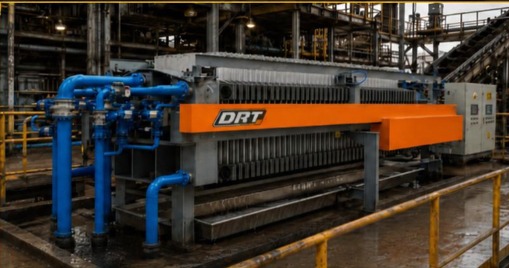


Other Markets
Many industrial activities have focused mainly on increasing production, while paying little attention to the management of by-products and waste. These plants are often located near ports or large rivers. Over time, discharged sediments accumulate on the seabed or riverbed, reducing navigability and causing water pollution. Simply dredging and storing the material nearby is not a good long-term solution.
A better approach is to treat the sediments: remove pollutants and contaminants, recover useful materials, recycle water, and reduce the volume of industrial sludge so that less space is needed for storage. A similar situation exists with contaminated land. During remediation, temporary or permanent treatment is often required to remove pollutants (such as heavy metals or hydrocarbons) and recover materials that can be reused, usually through wet processes.
Filter press technology. Using a filter press to dewater soil, sediment, or sludge is one of the most effective methods. It recovers the maximum amount of water and produces a compact solid material that is easy to handle and store. Because the composition of the sludge can vary a lot depending on its origin, the filter press must be flexible and able to work with different chemicals that help the filtration process.
DRT has always paid close attention to the specific needs of different industries. We design and build reliable, robust, and often modular plants that are easy to transport and install — an important advantage when the installation is only temporary.
- Mobile, containerised filtration plants
- Multi-process production lines
- Modular plants, easy to transport and install
- Temporary or permanent installations
Filter Plates
Recessed, membrane and gasketed polypropylene plates built for high pressure, aggressive chemicals and abrasive slurries, fully interchangeable with your original equipment.
- Recessed, membrane & CGR plates
- 100% virgin polypropylene
- Sizes 250 × 250 to 2500 × 2500 mm
- Interchangeable with OEM presses


Filter Cloths
Heavy-duty filter cloths for chamber and membrane presses, made to fit your plates and selected for your slurry, for clear filtrate and easy cake release.
- Monofilament & multifilament weaves
- PP, polyester and nylon fabrics
- High flow rate, easy cake release
- Made to your plate size
Screw Press
Multi-disk screw press for continuous sludge thickening and dewatering, with low energy use, minimal maintenance and a self-cleaning, anti-clogging design.
- Continuous, automatic operation
- Self-cleaning, anti-clogging
- Low power & water use
- Compact footprint

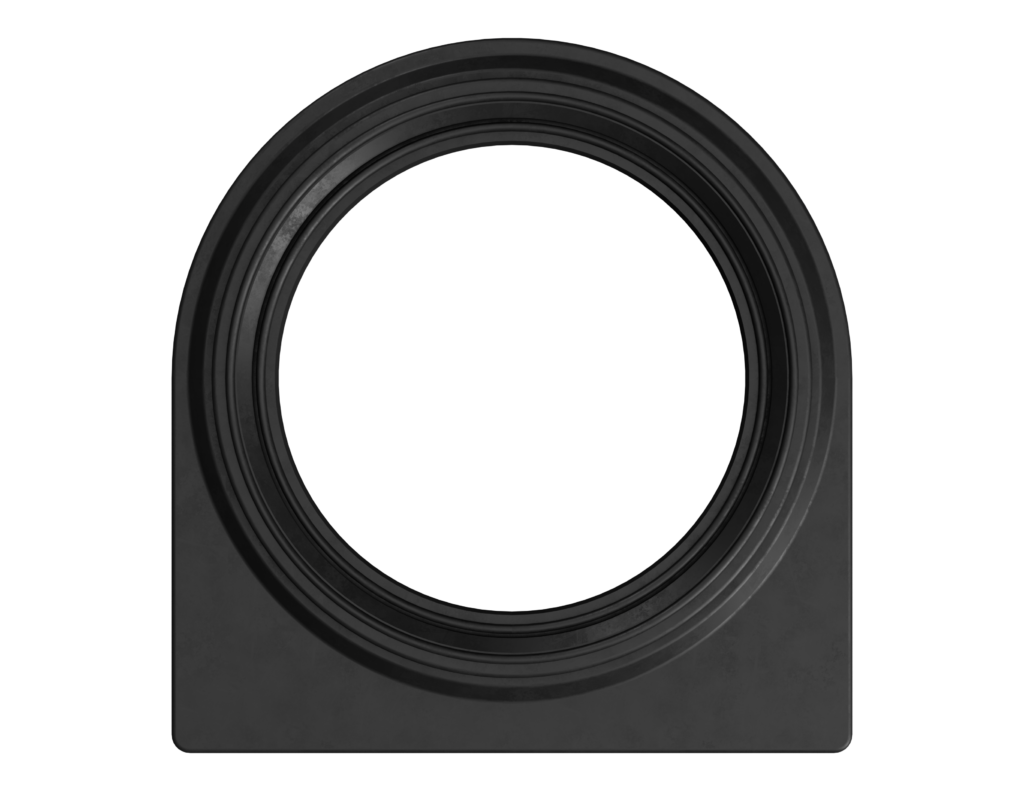
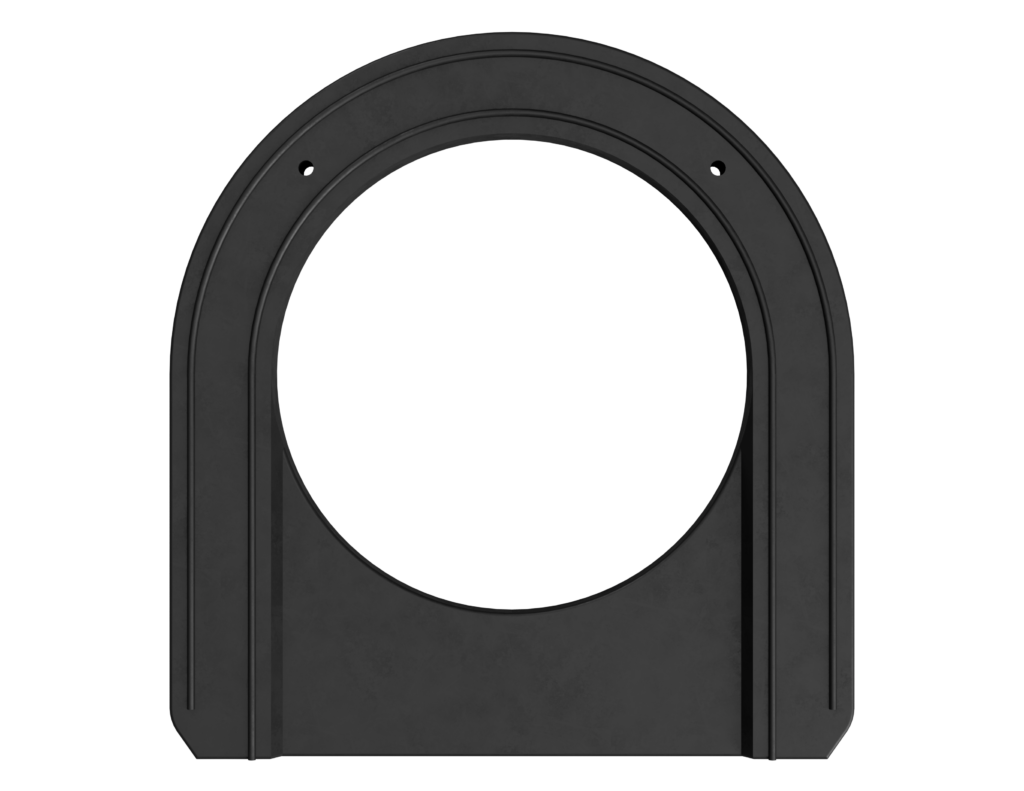

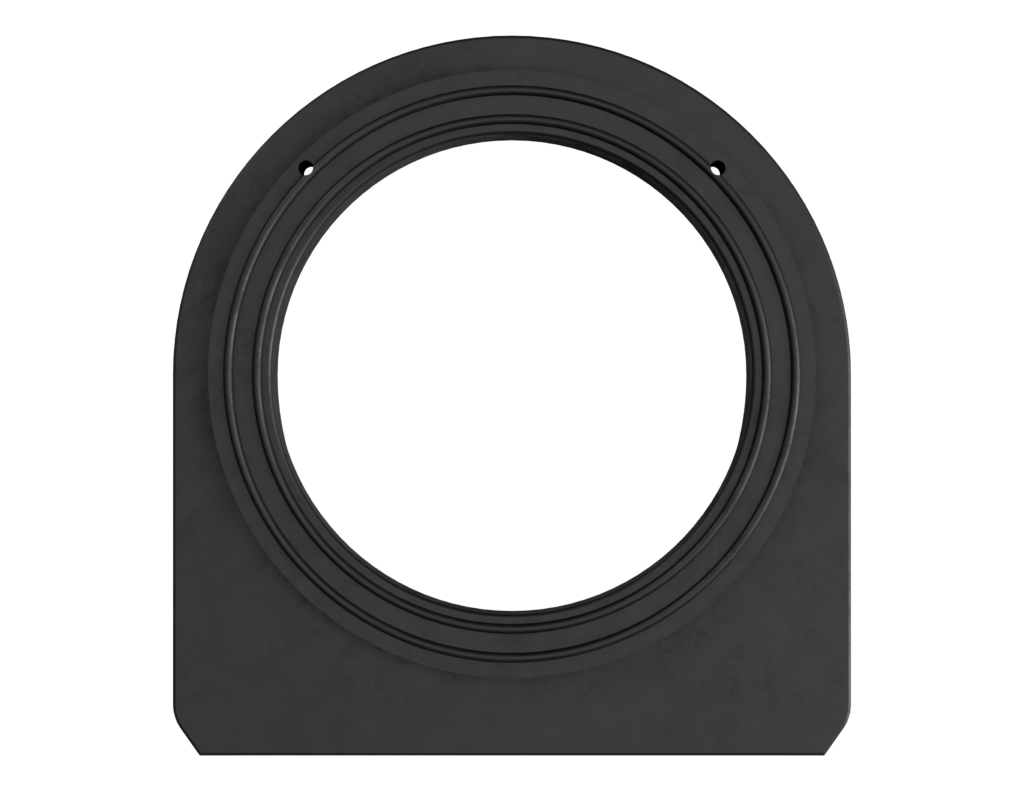
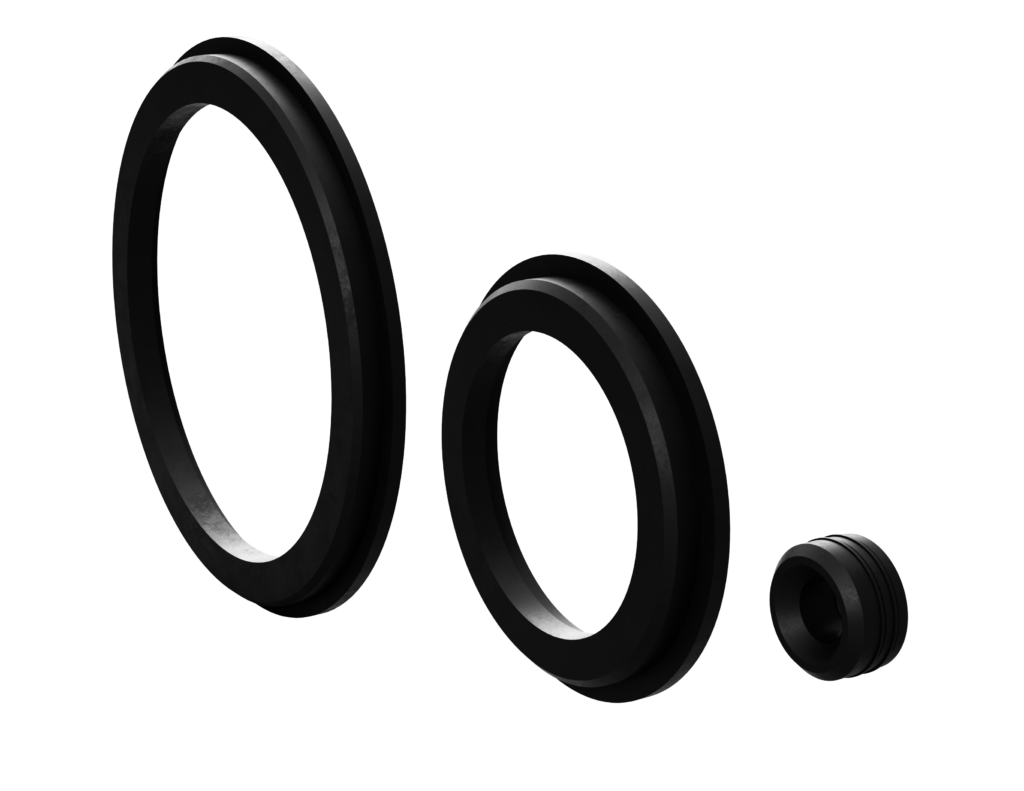


Spare Parts for Filter Press
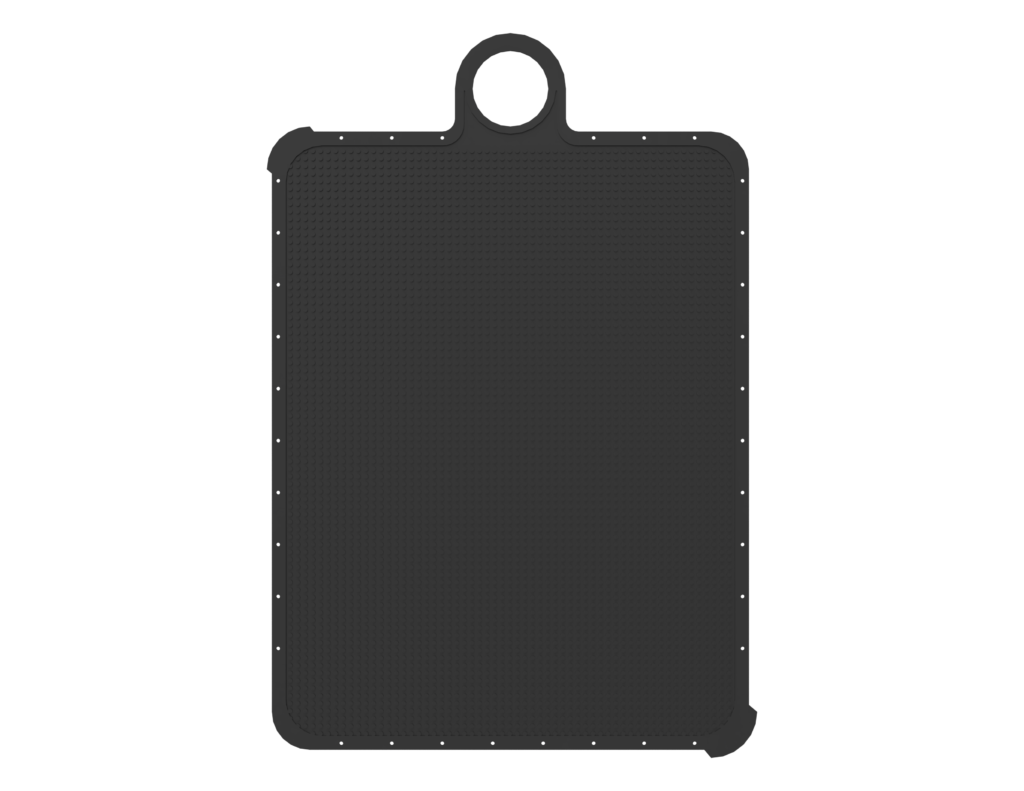
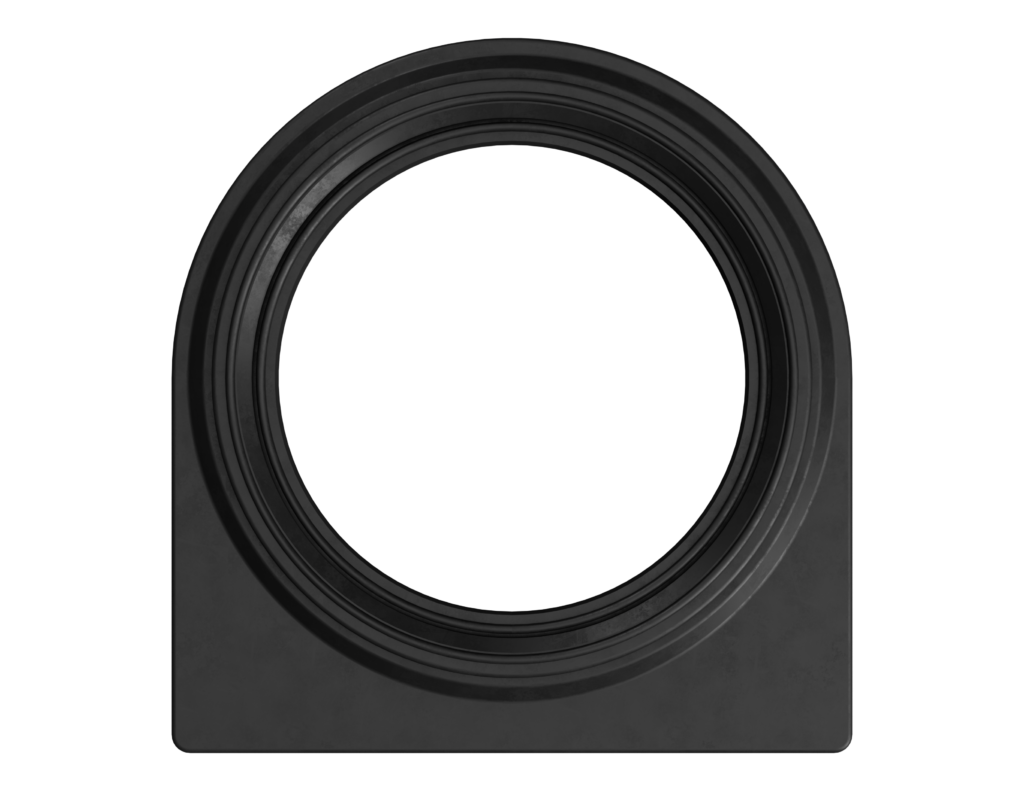
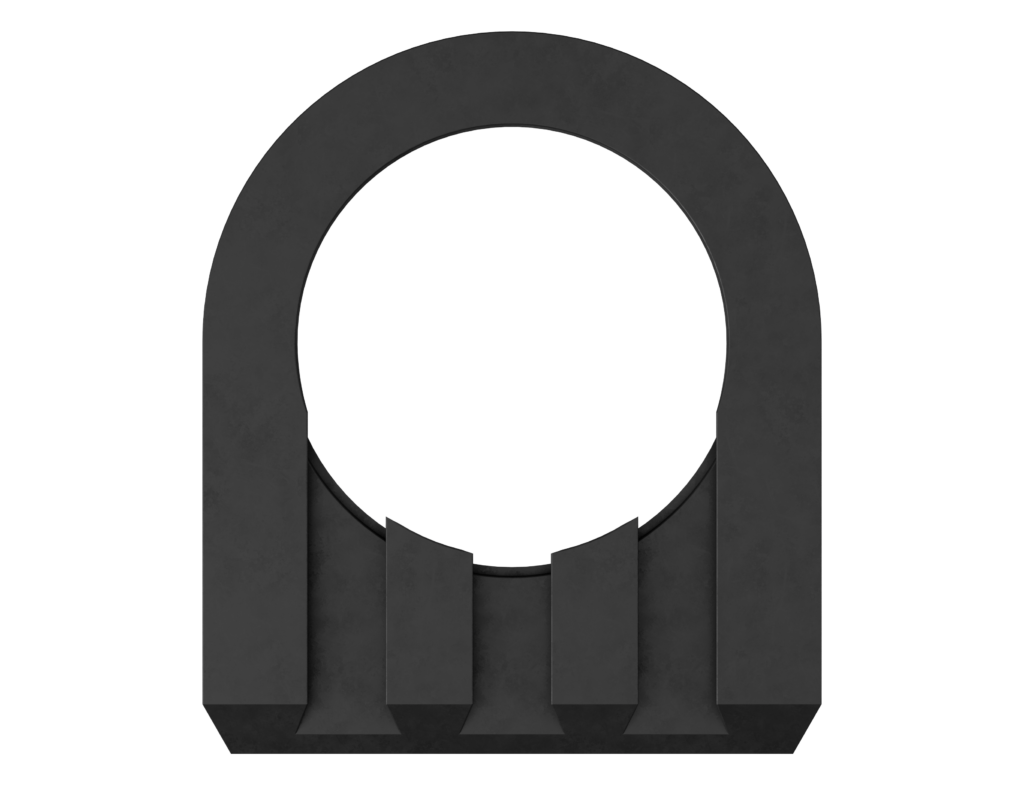
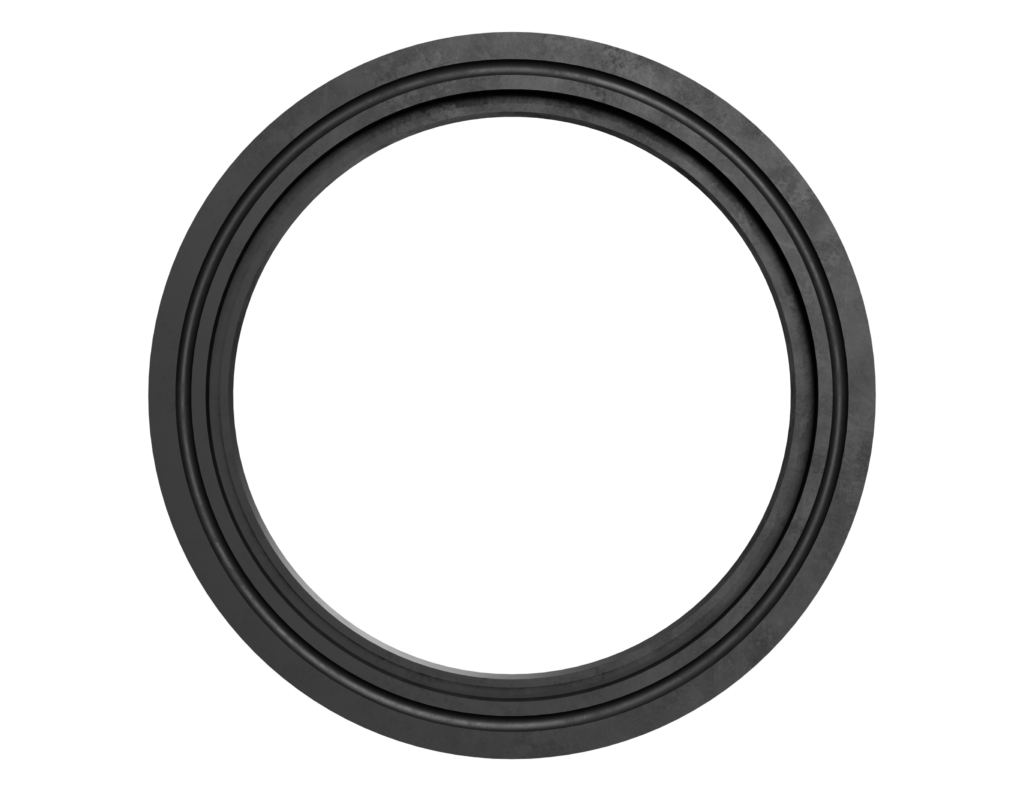
Seals, gaskets and wear parts for your existing filter presses, supplied from stock or made to your part reference. Tell us your press model, plate size and the part you need, and our team will quote with price and lead time.
- Seals and gaskets for filter presses
- Parts matched to your press model
- Quote with price and lead time
- Worldwide supply and support